

Dietary supplements can support health when used correctly, but choosing the right ones requires care and awareness. With countless products on the market, safety, quality, and relevance to personal needs matter far more than trends or bold claims. Making informed decisions helps ensure supplements complement a healthy lifestyle rather than create unnecessary risks.
Understand Why You’re Considering Supplements
Supplements are designed to fill gaps, not replace a balanced diet. Before choosing any product, it’s important to understand your goal.
Common reasons people consider supplements include:
- Nutrient deficiencies
- Increased physical or mental demands
- Dietary restrictions
- Age-related nutritional changes
Clear intent helps narrow choices and reduces the chance of taking unnecessary products.
Prioritize Whole Foods First
Supplements work best when they support an already healthy foundation. Nutrients from whole foods are generally better absorbed and come with additional beneficial compounds.
A food-first approach:
- Reduces reliance on pills
- Lowers the risk of excessive intake
- Encourages long-term healthy habits
Supplements should enhance nutrition, not compensate for poor dietary patterns.
Learn to Read Supplement Labels Carefully
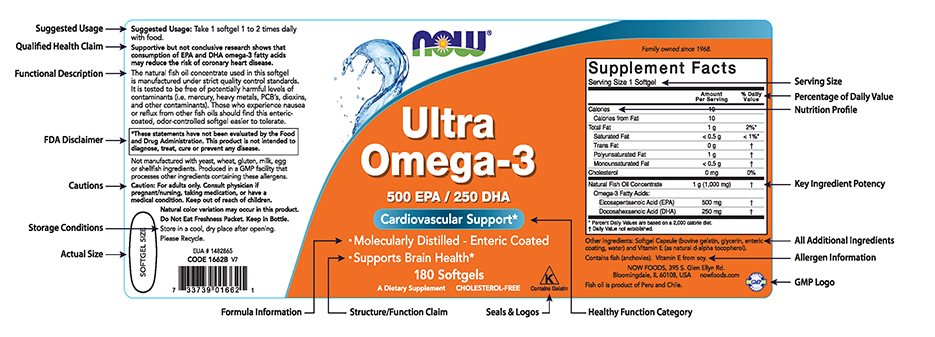
Labels provide critical information about what you are consuming. Understanding them helps you avoid low-quality or misleading products.
Key label details to review:
- Active ingredients and dosage
- Serving size and frequency
- Added fillers, colors, or sweeteners
- Certification or quality testing indicators
Avoid products that rely on vague “proprietary blends” without clear ingredient amounts.
Choose Quality and Transparency
Not all supplements are created equal. Manufacturing standards and ingredient sourcing vary widely between brands.
Safer choices often come from products that:
- Follow good manufacturing practices
- Provide clear ingredient sourcing
- Avoid exaggerated health claims
- Offer third-party testing or verification
Transparency is often a strong indicator of quality.
Be Cautious with Dosage and Combinations
More is not always better. Excessive intake of certain vitamins, minerals, or herbal compounds can cause unwanted effects.
Safety tips include:
- Avoid stacking multiple supplements with similar ingredients
- Follow recommended dosage guidelines
- Introduce new supplements one at a time
- Pay attention to how your body responds
Moderation reduces the risk of interactions or overconsumption.
Consider Individual Health Factors
Age, lifestyle, activity level, and existing health conditions all influence supplement needs. What works for one person may not be appropriate for another.
It’s especially important to use caution if you:
- Take prescription medications
- Have chronic health conditions
- Are pregnant or nursing
- Have known allergies or sensitivities
Personal context matters more than general recommendations.
Seek Professional Guidance When Needed
While many supplements are widely available, professional input adds an extra layer of safety. Healthcare providers can help assess whether a supplement is necessary and appropriate.
Professional guidance can:
- Identify actual deficiencies
- Prevent harmful interactions
- Tailor choices to individual needs
- Improve long-term outcomes
Informed decisions reduce guesswork and increase confidence.


Frequently Asked Questions (FAQ)
1. Are supplements safe for daily use?
Many are safe when used as directed, but long-term daily use should align with actual nutritional needs.
2. Can supplements replace a healthy diet?
No. Supplements support nutrition but cannot replicate the full benefits of whole foods.
3. How do I know if a supplement is unnecessary?
If your diet already provides sufficient nutrients and you have no deficiency, a supplement may offer little benefit.
4. Should I take multiple supplements at once?
It’s best to be cautious. Combining supplements can increase the risk of excessive intake or interactions.
5. Do natural supplements automatically mean safer?
Not always. Natural ingredients can still have strong effects and should be used responsibly.
6. How long should I take a supplement before evaluating results?
This varies, but many supplements require several weeks of consistent use before noticeable effects appear.
7. Can supplements cause side effects?
Yes. Digestive discomfort, headaches, or other reactions can occur, especially with high doses or poor-quality products.
Choosing supplements safely is about clarity, quality, and moderation. When guided by real needs and informed choices, supplements can be a helpful addition to a healthy lifestyle rather than a source of confusion or risk.


Comments are closed.