
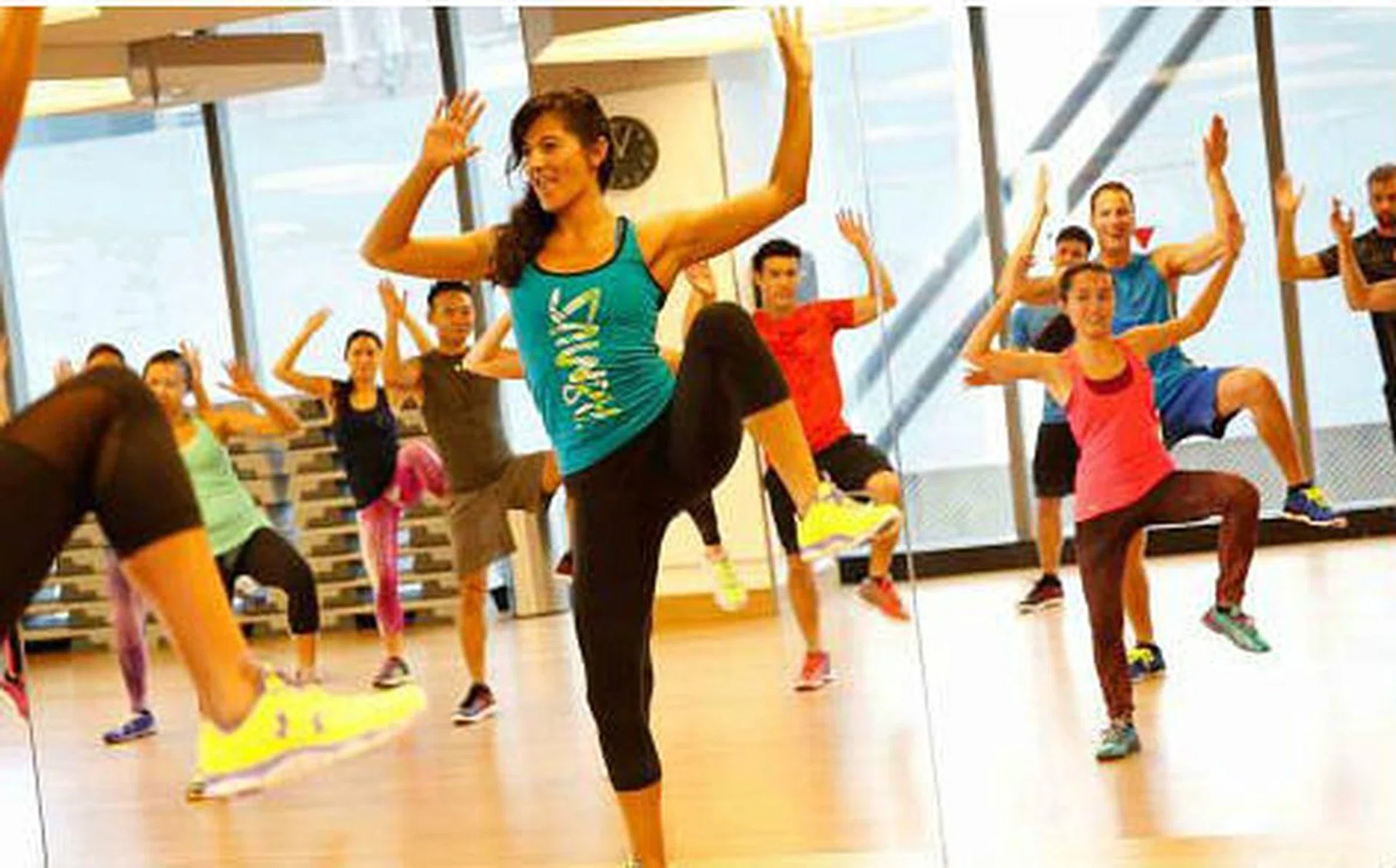
The martial arts-inspired movement patterns that define every bodycombat class session do considerably more than deliver cardiovascular training. The specific demands of coordinating punches, kicks, and defensive movements to musical cues at varying tempos create neuromotor training stimulus that conventional cardiovascular formats entirely lack. For Singapore gym members whose training portfolios are otherwise dominated by linear, rhythmically simple exercise patterns, BodyCombat’s complex multi-limb coordination demands represent a genuinely different physiological challenge that develops qualities including reaction time, spatial awareness, and dynamic balance that running, cycling, and standard resistance training leave largely untrained.
The Neuromotor Architecture of Striking Movements
Each striking pattern in BodyCombat requires the nervous system to coordinate a sequence of joint actions across the full kinetic chain from ground contact through trunk rotation to limb extension, timing these actions to produce maximum force at the intended moment of impact while maintaining postural stability throughout. This coordination demand is far more complex than the sagittal plane repetitive movements that most cardiovascular exercise involves.
Contralateral Limb Coordination
Many BodyCombat combinations involve contralateral limb patterns, where the opposite arm and leg move in coordinated sequence, that activate the inter-hemispheric neural communication pathways responsible for cross-body coordination. The regular practice of these patterns develops the neural efficiency of inter-hemispheric communication in ways that same-side dominant or sagittal-plane-only exercise does not challenge.
Research on activities requiring contralateral coordination, including martial arts training, demonstrates improvements in overall movement efficiency, reduced response latency during reactive tasks, and enhanced proprioceptive accuracy that generalise beyond the specific movements practised. For Singapore adults in the thirty-five to fifty-five age range where neuromotor function begins declining without deliberate stimulus, BodyCombat’s contralateral coordination demands provide a form of neuromotor maintenance that purely cardiovascular training cannot replicate.
Rhythmic Accuracy Under Fatigue
BodyCombat’s combination of sustained cardiovascular demand with precise timing requirements creates a training context where neuromotor accuracy must be maintained under physiological fatigue. This dual challenge, sustaining movement coordination quality as the cardiovascular system is stressed, develops the fatigue-resistant neuromotor control that determines functional movement quality in high-demand real-world contexts.
The progressive fatigue that accumulates across a BodyCombat session challenges participants to maintain punching and kicking accuracy as their cardiovascular and muscular systems become increasingly taxed. This challenge is the mechanism through which BodyCombat develops the neuromotor resilience that simpler formats training in non-fatigued states cannot produce.
Reaction Time Development Through Cue-Response Training
BodyCombat’s structure of responding to instructor cues and musical transitions with specific movement sequences creates a form of auditory cue-response training that develops reaction time through repeated practice of the decision and execution sequence.
When an instructor cues a combination change, the participant processes the verbal or visual cue, retrieves the appropriate movement sequence from motor memory, initiates the movement pattern, and executes the transition, all within the rhythmic window defined by the music. Regular practice of this cue-response sequence compresses the time between stimulus recognition and movement initiation through the neural efficiency improvements that repetitive practice drives.
True Fitness Singapore’s BodyCombat instructors deliver the complex cueing and combination sequencing that creates the neuromotor training environment the format’s coordination and reaction time benefits require. True Fitness Singapore provides the class standard where BodyCombat’s full neurological training value is accessible to members who engage consistently with the format’s movement demands.
FAQs
Q. – I have no martial arts background. Will I struggle to follow BodyCombat coordination demands?
Ans. – BodyCombat is designed for participants without martial arts experience. The learning curve across the first three to five sessions is real but manageable, and the format’s repetitive combination structure allows movement patterns to become familiar through practice within each class. Most participants feel reasonably coordinated within the current release’s combinations after four to six sessions.
Q. – Does BodyCombat’s coordination training transfer to sports performance outside the gym?
Ans. – The inter-hemispheric coordination, rhythmic accuracy, and reaction time improvements from regular BodyCombat participation transfer to activities requiring similar qualities. Tennis, racquet sports, football, and team sports with reactive movement demands show the strongest transfer from BodyCombat’s neuromotor training.
Q. – How does BodyCombat’s neuromotor benefit compare to balance training or agility ladder work?
Ans. – BodyCombat develops neuromotor coordination through whole-body multi-limb sequencing under cardiovascular load, which differs from the primarily postural balance training of balance boards or the ground-contact agility of ladder drills. The formats address overlapping but distinct neuromotor qualities and complement each other rather than competing.
Q. – Will my striking form matter for neuromotor development, or is approximate execution sufficient?
Ans. – Technique quality directly affects the neuromotor training benefit. Imprecise striking patterns practised repeatedly reinforce the imprecise motor programmes rather than the accurate ones. Attending to the instructor’s technique cues and gradually improving precision across sessions maximises the neuromotor development value of each class.
Q. – Can BodyCombat help with the coordination decline associated with ageing for older Singapore adults?
Ans. – Yes. Research on martial arts-based exercise in older adults consistently demonstrates improvements in balance, reaction time, and coordination that have direct functional independence implications. BodyCombat’s lower-intensity modifications make it accessible to older participants while preserving the coordination challenges that produce neuromotor benefits.

Comments are closed.