
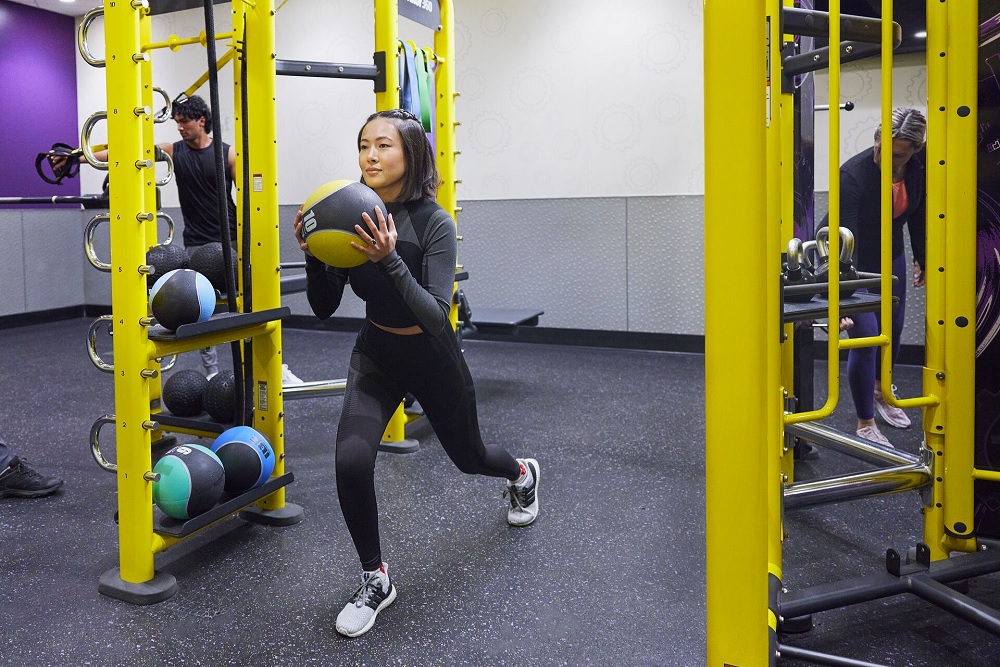
For many years, fitness goals were largely focused on visible changes such as building muscle or losing fat. Today, a growing number of people are realising that real fitness extends far beyond aesthetics. It is about how well your body performs, moves, and supports your lifestyle. Functional strength training, guided by a skilled personal fitness trainer Singapore, helps build this kind of sustainable capability. Instead of working out purely for appearance, functional fitness aims to enhance everyday performance, prevent injury, and strengthen mobility.
Singapore’s modern lifestyle, where long office hours and technology-driven routines dominate, has made functional fitness more relevant than ever. Many professionals find that while they may look fit, they struggle with back pain, stiffness, or fatigue. Smart coaching focuses on real-world functionality, ensuring that the body is not only strong but also efficient and resilient.
What Is Functional Strength?
Functional strength refers to the body’s ability to perform natural movements safely and efficiently in daily life. It focuses on improving strength, balance, flexibility, and coordination rather than isolating muscles for aesthetic appeal. A trainer teaching functional fitness designs workouts that replicate everyday movements such as squatting, lifting, twisting, or reaching.
Unlike traditional bodybuilding routines that target one muscle group at a time, functional training develops multiple muscles and joints together. This synergy improves overall stability, agility, and endurance. For instance, a well-structured program might include exercises like kettlebell swings, resistance band pulls, or balance drills that mimic real-life physical demands.
The Evolution from Aesthetic Training to Functional Fitness
Fitness used to revolve around appearance-driven goals: six-pack abs, defined arms, or a smaller waist. While those goals still have value, more people now prioritise long-term health, pain-free movement, and daily energy levels. Functional training represents this shift.
A good personal trainer designs routines that support the individual’s lifestyle. For example:
-
For office workers: Strengthening the back, neck, and core to improve posture.
-
For parents: Building endurance and flexibility to keep up with active children.
-
For athletes: Enhancing movement efficiency and injury prevention.
This practical approach ensures that fitness is not just about how you look but how well your body functions in any situation.
How Smart Coaching Makes Functional Training Effective
Smart coaching involves more than giving instructions. It includes evaluating body movement patterns, identifying weak areas, and creating a plan that adapts over time. A well-qualified trainer begins with a movement assessment to observe how clients bend, twist, or lift. From there, they build a program that corrects imbalances and strengthens supportive muscles.
Some essential components of smart coaching include:
-
Individualised movement screening to identify mobility issues or postural imbalances.
-
Progressive overload to improve performance without risking injury.
-
Active recovery routines to maintain joint health and prevent fatigue.
This data-driven and mindful approach creates a smoother, safer path toward lasting strength.
The Core of Functional Strength: Stability and Mobility
True strength begins with stability. Functional training focuses on strengthening stabiliser muscles around joints, particularly in the hips, shoulders, and core. These smaller muscles are responsible for maintaining alignment and balance during movement. Without them, large muscle groups become overworked and prone to injury.
Equally important is mobility—the ability to move joints through their full range of motion with control. A personal trainer teaches techniques like dynamic stretching, foam rolling, and mobility drills to ensure that strength and flexibility grow together. This balance is what allows people to move confidently and perform physical tasks effortlessly.
Real-Life Benefits of Functional Strength Training
Functional fitness transforms not only the way you exercise but also how you live. Some of the most noticeable improvements include:
-
Better posture and reduced neck or back discomfort from sedentary work habits.
-
Increased flexibility and range of motion, making daily activities easier.
-
Enhanced core strength, leading to greater stability and balance.
-
Injury prevention, as muscles and joints work harmoniously under stress.
-
Improved endurance, allowing clients to enjoy sports, travel, or long workdays without fatigue.
Each of these outcomes builds a healthier and more capable body, adaptable to various environments.
How Functional Fitness Differs from Traditional Training
Traditional fitness programs often focus on isolated muscle development—lifting weights to grow size or tone specific areas. Functional fitness, however, uses integrated movements that reflect real-life actions. Exercises engage multiple joints and muscles simultaneously, improving coordination and agility.
A simple comparison:
-
Traditional approach: Bicep curls to build arm definition.
-
Functional approach: Farmer’s carries or push-pulls that enhance grip, core engagement, and shoulder stability.
The second approach develops balanced, usable strength, which translates better to everyday physical performance.
Integrating Functional Strength into Modern Lifestyles
In Singapore’s fast-paced urban environment, time-efficient and effective workouts are crucial. Functional fitness can easily fit into short, focused sessions that deliver high impact. Trainers often design hybrid routines combining strength, mobility, and endurance training that suit busy professionals.
For example:
-
A 45-minute session might start with mobility drills, progress into compound movements like squats and push-ups, and end with a short conditioning circuit.
-
Workouts can be adjusted for any location—gym, office, or home—using simple tools like resistance bands or bodyweight exercises.
This flexibility makes functional fitness an ideal solution for individuals who struggle to maintain consistent gym attendance.
Mind-Muscle Awareness and Injury Prevention
Smart coaching emphasises mind-muscle awareness, teaching clients to move intentionally rather than mechanically. Understanding which muscles should activate during a movement reduces strain on joints and enhances control. Trainers use cues and feedback to correct posture and technique.
This mindfulness protects against injuries that commonly occur from overuse or poor alignment. Over time, it enhances coordination and balance, which are essential for longevity in fitness.
Functional Fitness and Ageing Gracefully
Functional strength training benefits all age groups, especially older adults. It maintains bone density, joint flexibility, and muscle tone while reducing fall risk. For ageing clients, trainers prioritise controlled movements, balance exercises, and progressive resistance. These routines help maintain independence and vitality.
Many clients in Singapore’s active ageing community have turned to personal trainers to support daily mobility, from climbing stairs to carrying groceries. Functional training makes these movements feel effortless, proving that strength and age can coexist beautifully.
The Functional Fitness Philosophy at True Fitness Singapore
At True Fitness Singapore, trainers focus on helping clients build practical strength that supports everyday life. Their programs combine science, assessment, and mindful coaching to create sustainable fitness habits. Each workout is designed to enhance movement, prevent pain, and improve total body function. Trainers understand that success in fitness is not just measured by the mirror but by how easily clients move, breathe, and live.
FAQ
Q1. What is the main difference between functional and traditional strength training?
Traditional training isolates specific muscles for size or tone, while functional training focuses on movement patterns that improve daily performance and balance.
Q2. Can functional training help with chronic pain or posture issues?
Yes. Functional exercises strengthen stabilising muscles that support posture and reduce pain caused by long periods of sitting or poor alignment.
Q3. Is functional training suitable for beginners?
It is ideal for beginners because it teaches proper movement form before progressing to more complex exercises. Trainers ensure each movement is safe and effective.
Q4. How often should I train for functional strength?
Most clients see progress with two to four sessions per week, depending on goals and recovery capacity.
Q5. Can functional fitness support athletic performance?
Absolutely. Functional training enhances agility, coordination, and core strength, all of which benefit athletes across different sports.
Q6. Do I need equipment for functional workouts?
Not always. Many exercises rely on body weight, though tools like kettlebells, resistance bands, or medicine balls can add variety and intensity.
Q7. Is functional strength training effective for weight management?
Yes. Because it involves full-body movements, it boosts metabolism and promotes fat loss while improving endurance and flexibility.
Functional fitness proves that real strength is not about appearance but about capability, resilience, and movement freedom. With expert coaching, clients build bodies that are not just strong to look at but strong to live in.


Comments are closed.