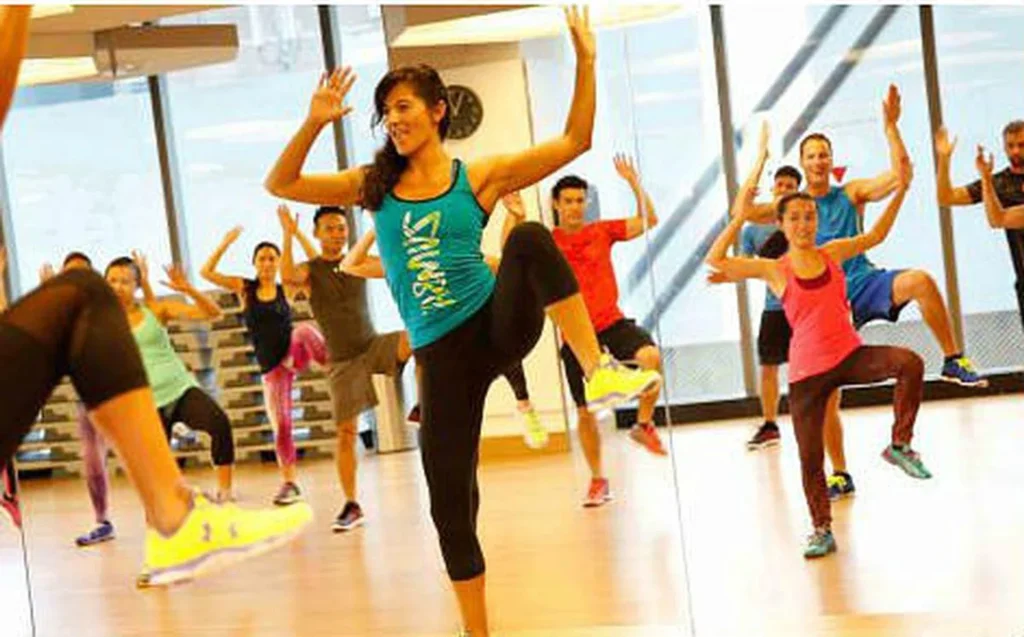
The martial arts-inspired movement patterns that define every bodycombat class session do considerably more than deliver cardiovascular training. The specific demands of coordinating punches, kicks, and defensive movements to musical cues at varying tempos create neuromotor training stimulus that conventional cardiovascular formats entirely lack. For Singapore gym members whose training portfolios are otherwise dominated by linear, rhythmically simple exercise patterns, BodyCombat’s complex multi-limb coordination demands represent a genuinely different physiological challenge that develops qualities including reaction time, spatial awareness, and dynamic balance that running, cycling, and standard resistance training leave largely untrained. The Neuromotor Architecture of Striking Movements Each striking pattern in BodyCombat requires the nervous system to coordinate a sequence of joint actions across the full kinetic chain from ground contact through trunk rotation to limb extension, timing these actions to produce maximum force at the intended moment of impact while maintaining postural stability throughout. This coordination demand is…
Movement asymmetry is one of the most overlooked health issues among active adults in Singapore. Many people train regularly, follow structured workouts, and still experience recurring pain, stalled progress, or unexpected injuries. In most cases, the root cause is not effort or motivation. It is long-term movement asymmetry that has gone uncorrected for years. Working with a personal gym trainer singapore allows these imbalances to be identified early and corrected systematically before they lead to chronic issues. Movement asymmetry refers to the body favouring one side over the other during daily activities or exercise. This can affect strength, mobility, coordination, and joint health. Over time, these patterns become deeply ingrained, making them difficult to self-correct without expert guidance. Understanding How Movement Asymmetry Develops Movement asymmetry rarely appears overnight. It usually develops through small habits that accumulate over time. Desk-based work, dominant hand usage, repetitive sports, past injuries, and even how…
For many years, fitness goals were largely focused on visible changes such as building muscle or losing fat. Today, a growing number of people are realising that real fitness extends far beyond aesthetics. It is about how well your body performs, moves, and supports your lifestyle. Functional strength training, guided by a skilled personal fitness trainer Singapore, helps build this kind of sustainable capability. Instead of working out purely for appearance, functional fitness aims to enhance everyday performance, prevent injury, and strengthen mobility. Singapore’s modern lifestyle, where long office hours and technology-driven routines dominate, has made functional fitness more relevant than ever. Many professionals find that while they may look fit, they struggle with back pain, stiffness, or fatigue. Smart coaching focuses on real-world functionality, ensuring that the body is not only strong but also efficient and resilient. What Is Functional Strength? Functional strength refers to the body’s ability to…
Consistency is the quiet force behind every lasting fitness transformation. While motivation may spark the first workout and intensity may define a great session, it is consistent effort over time that delivers real, measurable results. Fitness success is not built on extremes or short bursts of effort—it’s built on showing up, again and again, even when enthusiasm dips. Why Consistency Matters More Than Motivation Motivation is emotional and unpredictable. Some days it’s high; other days it’s nonexistent. Consistency, on the other hand, is behavioral. It turns action into habit and habit into progress. When workouts become routine: The body adapts more efficiently Progress becomes sustainable Results compound over time Relying solely on motivation often leads to long gaps and restarts. Consistency removes that friction by making fitness part of daily life rather than a constant decision. How Consistency Drives Physical Progress The human body responds best to repeated, manageable stress.…