Author

admin

Browsing

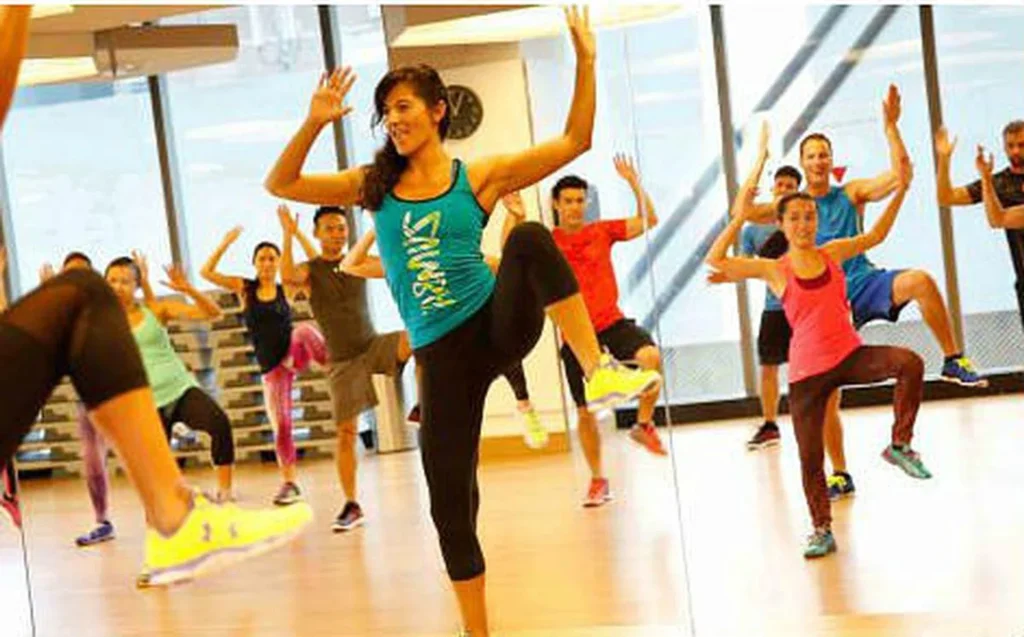
The martial arts-inspired movement patterns that define every bodycombat class session do considerably more than deliver cardiovascular training. The specific demands of coordinating punches, kicks, and defensive movements to musical cues at varying tempos create neuromotor training stimulus that conventional cardiovascular formats entirely lack. For Singapore gym members whose training portfolios are otherwise dominated by linear, rhythmically simple exercise patterns, BodyCombat’s complex multi-limb coordination demands represent a genuinely different physiological challenge that develops qualities including reaction time, spatial awareness, and dynamic balance that running, cycling, and standard resistance training leave largely untrained. The Neuromotor Architecture of Striking Movements Each striking pattern in BodyCombat requires the nervous system to coordinate a sequence of joint actions across the full kinetic chain from ground contact through trunk rotation to limb extension, timing these actions to produce maximum force at the intended moment of impact while maintaining postural stability throughout. This coordination demand is…

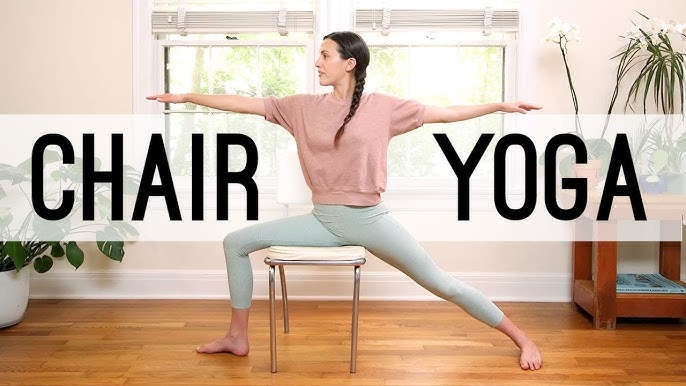
Falls are not accidents. That framing matters. When we describe a fall as an accident, we imply randomness, unpredictability and the absence of preventable cause. But the research on falls in older adults tells a different story. Falls are the predictable outcome of specific, measurable physiological deficits: reduced proprioceptive acuity, impaired balance control, decreased muscle strength in the lower limbs, slowed neuromuscular response time and the reduced gait stability that these deficits combine to produce. Every one of these deficits is modifiable. And chair yoga addresses several of them simultaneously in a format that is accessible to older adults who cannot safely practise floor-based yoga. This is why Singapore’s geriatric specialists are paying attention. Why Falls Matter More Than Most People Realise A hip fracture following a fall in an adult over 65 is not simply an orthopaedic event. It is a clinical trigger with cascading consequences. Mortality rates within…

There are various biological factors affecting fertility, and environmental factors can influence overall comfort and conditions during intimacy. Sperm can survive for 2 to 5 days in a conducive environment with a pH balance and a chemically compatible lubricant. Most lubricants available in the market are for comfort only, and they are not conducive to sperm. Couples planning for conception should definitely use a fertility lubricant designed for use while trying to conceive. It is important for couples to know what goes into these lubricants in order for them to make the right choice depending on their situation. Sperm Sensitivity to Environment Sperm are very sensitive to the environment in which they are found, with the motility of the sperm being influenced by pH levels, hydration, and the chemical nature of the lubricants used during intimacy. Most couples have turned to the use of fertility lubricants that are made to…

Movement asymmetry is one of the most overlooked health issues among active adults in Singapore. Many people train regularly, follow structured workouts, and still experience recurring pain, stalled progress, or unexpected injuries. In most cases, the root cause is not effort or motivation. It is long-term movement asymmetry that has gone uncorrected for years. Working with a personal gym trainer singapore allows these imbalances to be identified early and corrected systematically before they lead to chronic issues. Movement asymmetry refers to the body favouring one side over the other during daily activities or exercise. This can affect strength, mobility, coordination, and joint health. Over time, these patterns become deeply ingrained, making them difficult to self-correct without expert guidance. Understanding How Movement Asymmetry Develops Movement asymmetry rarely appears overnight. It usually develops through small habits that accumulate over time. Desk-based work, dominant hand usage, repetitive sports, past injuries, and even how…

Specialist Disability Accommodation (SDA) is more than just a place to live—it’s a path to independence, dignity, and confidence for people with significant disabilities. If you’ve ever wondered how the right home can change a life, SDA is a perfect example. Imagine trying to thrive in a space not built for your needs—it’s like trying to fit into a pair of shoes that are two sizes too small. SDA makes sure the “fit” is perfect, so individuals can live freely and safely. Below is a complete guide that breaks down how SDA supports independent living, especially for those searching for the best SDA providers Melbourne has to offer. 1. Understanding SDA Specialist Disability Accommodation (SDA) refers to NDIS-funded housing designed for people with extreme functional impairment or very high support needs. SDA doesn’t provide daily support directly, but it creates the environment that makes high-quality support possible. 2. Why SDA…

If you’ve ever wished you could just “freeze away” stubborn fat, you’re not alone. Many people turn to fat freezing treatment hoping for a simple and effective way to sculpt their body. But how much fat can you really lose? Is it enough to make a noticeable difference? Let’s explore the real facts—without the complicated science—so you know exactly what to expect. 1. What Is Fat Freezing? Fat freezing, also known as cryolipolysis, is a non-invasive cosmetic treatment that uses controlled cooling to reduce stubborn fat. Think of it as a targeted defrosting—but instead of melting, the fat cells freeze and naturally break down over time. 2. How Does Fat Freezing Work? When cold temperatures are applied to a specific area, fat cells become damaged and eventually die. Your body then flushes them out naturally in the following weeks. It’s a bit like putting ice on butter—cold affects fat differently…

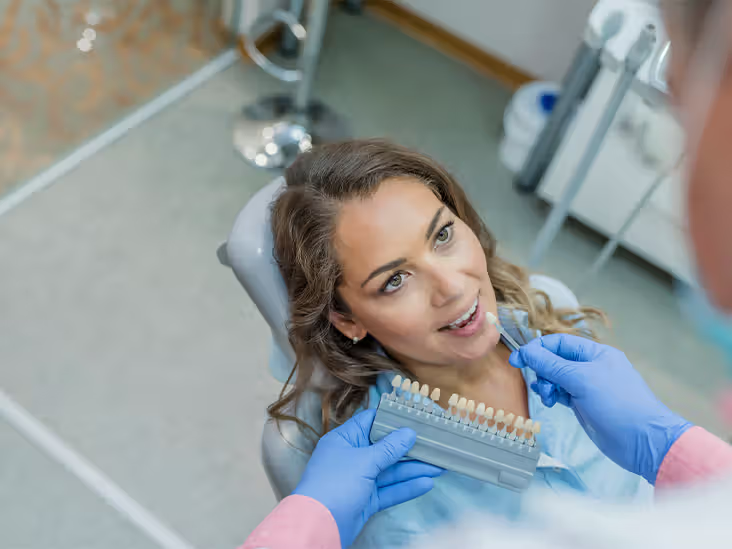
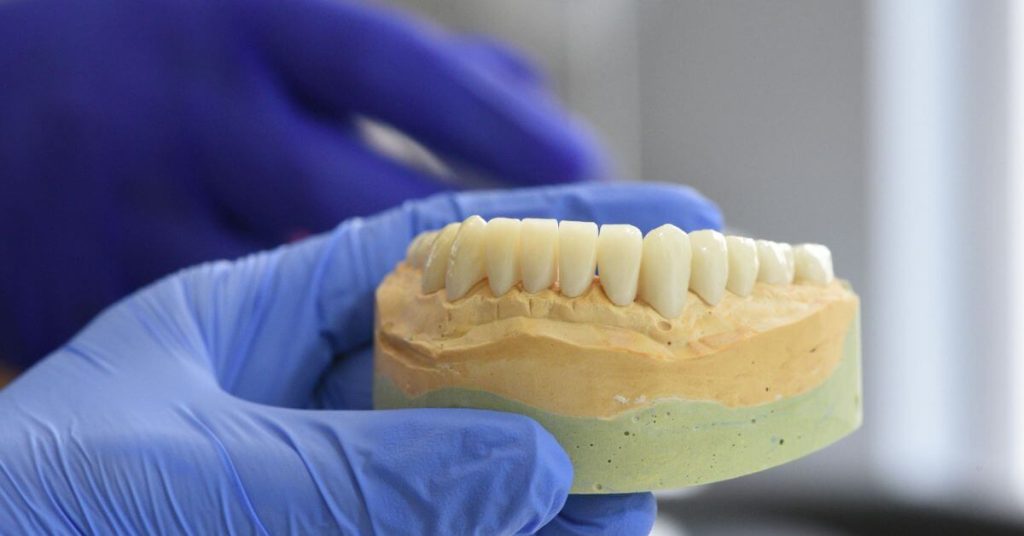
Transforming your smile can feel like giving your confidence a fresh coat of paint. But before you take that exciting step, you probably want clear, simple answers about porcelain veneers costs. How much do they cost? Why do prices vary? And is the investment truly worth it? This guide breaks it all down in a friendly, conversational way—no confusing dental jargon included. 1. Understanding Porcelain Veneers Porcelain veneers are thin, tooth-colored shells designed to cover the front surface of your teeth. They’re often used to fix discoloration, chips, gaps, or uneven shapes. Think of them like a custom-made outfit tailored just for your smile. 2. What Influences Porcelain Veneers Costs Several factors play a role in determining the final price. It’s similar to buying a car—you can go basic or luxury, depending on your needs. 3. Average Cost Range On average, porcelain veneers costs can range from $900 to $2,500…

If you’ve been thinking about tightening your skin but aren’t sure how many sessions it actually takes to see results, you’re not alone. Most people want smoother, firmer skin—but they also want realistic expectations before starting any treatment. So, how many sessions do you really need for visible skin tightening results? Let’s break it down in simple, friendly language. 1. Understanding Skin Tightening Treatments When people talk about skin tightening today, they’re usually referring to non-surgical methods that stimulate collagen. These treatments are popular because they help firm the skin without downtime or needles. 2. How Skin Tightening Actually Works Imagine your skin like a trampoline. When the springs (your collagen and elastin) weaken, the surface becomes loose. Skin tightening treatments heat the deeper layers of your skin so your body can rebuild those “springs.” 3. Why Multiple Sessions Are Needed Your skin doesn’t transform overnight. Collagen production is a…

Metabolism plays a vital role in how the body converts food into energy and manages weight, energy levels, and overall health. While genetics influence metabolic rate, exercise is one of the most effective natural ways to enhance metabolism. Regular physical activity helps the body burn calories more efficiently, even outside of workout sessions. Understanding Metabolism and Energy Use Metabolism refers to the chemical processes that sustain life, including how the body uses calories for basic functions such as breathing, digestion, and movement. A higher metabolic rate means the body burns more energy at rest. Exercise supports metabolism by: Increasing muscle activity Improving energy efficiency Enhancing hormonal balance related to energy use These effects work together to create lasting metabolic improvements. Strength Training and Metabolic Boost Muscle tissue requires more energy to maintain than fat tissue. Strength training increases lean muscle mass, which raises the number of calories burned throughout the…

Doctors are known for grueling schedules, overnight shifts, and emotionally demanding work. Yet many manage to protect their physical and mental health even while caring for others. Their approach isn’t about perfection—it’s about consistent, practical habits that fit into unpredictable days. Prioritizing Sleep Whenever Possible Sleep is often fragmented for doctors, but they treat it as a non-negotiable health asset rather than a luxury. Taking short power naps between shifts Using blackout curtains and sleep masks during daytime rest Avoiding caffeine late in long shifts Practicing consistent sleep routines, even on off days Many doctors accept that they may not get long sleep, but they aim for high-quality sleep whenever the opportunity appears. Smart Nutrition in a Time-Crunched Schedule Doctors rarely have time for elaborate meals, so they focus on nutrient density and convenience. Common strategies include: Packing protein-rich snacks like nuts, yogurt, or boiled eggs Choosing complex carbohydrates over…