
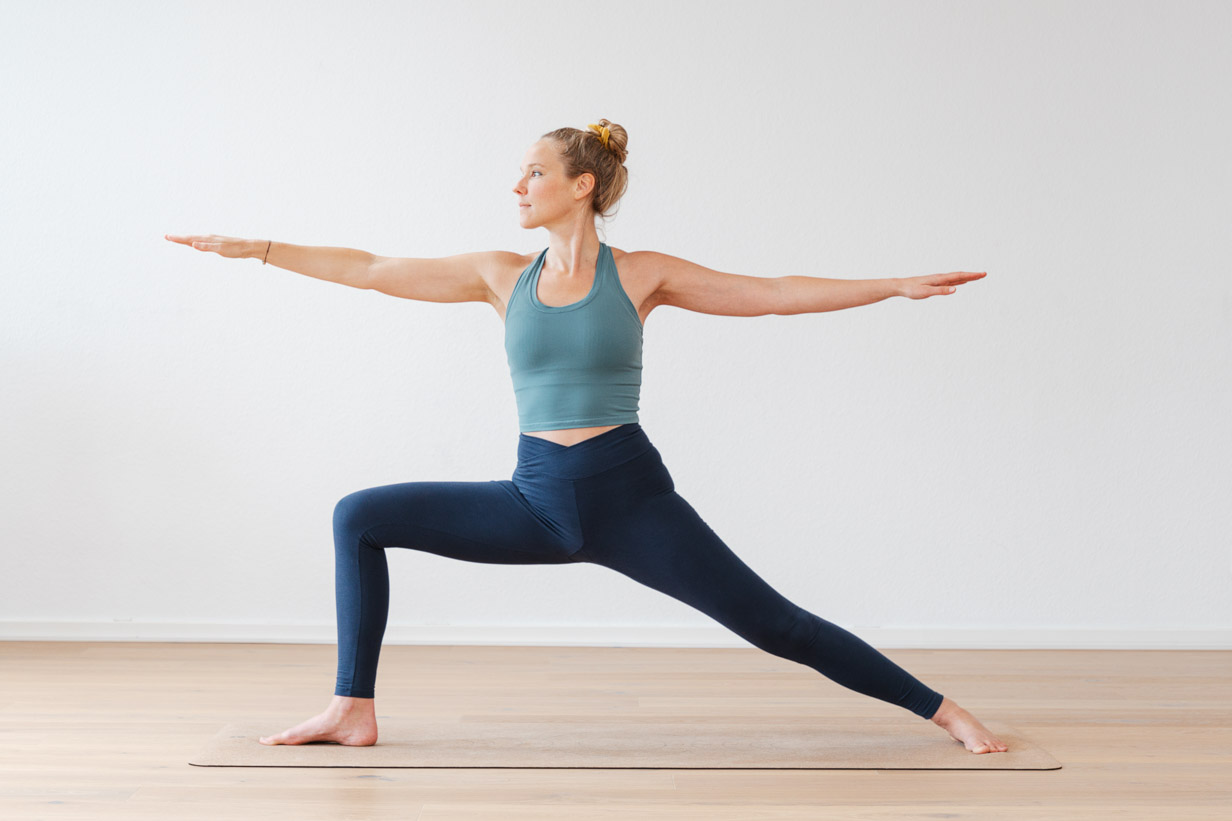
Yoga is more than a physical workout or a relaxation technique. It is a holistic practice that aligns movement, breath, and awareness, creating harmony between the mind and body. Rooted in ancient tradition and supported by modern science, yoga helps individuals navigate stress, improve physical health, and cultivate emotional stability.
Understanding the Mind–Body Connection
The mind and body constantly influence each other. Mental stress can manifest as physical tension, while physical discomfort can affect mood and focus. Yoga addresses this connection directly by integrating intentional movement with conscious breathing.
- Physical postures stimulate muscles, joints, and nerves
- Breathing techniques regulate the nervous system
- Mental focus enhances self-awareness and clarity
This integration helps the body respond more calmly to daily challenges.
Physical Awareness Through Movement
Yoga postures, or asanas, encourage mindful movement, which improves coordination and body awareness.
Key physical benefits include:
- Better posture and spinal alignment
- Increased flexibility and joint mobility
- Improved balance and muscular strength
- Reduced risk of injury through controlled motion
As awareness grows, practitioners learn to recognize physical limits and respond with care rather than force.
Breath as a Bridge Between Mind and Body
Breathing plays a central role in yoga. Controlled breathing, often called pranayama, acts as a bridge between conscious and unconscious processes.
- Slow breathing calms the heart rate
- Deep inhalation increases oxygen delivery
- Steady exhalation reduces anxiety
By syncing breath with movement, yoga trains the nervous system to remain steady under pressure.
Stress Reduction and Emotional Regulation
Yoga creates a safe space to release accumulated stress stored in the body. Gentle stretching combined with breath awareness signals the brain to shift from a state of alertness to relaxation.
Regular practice supports:
- Lower cortisol levels
- Reduced symptoms of anxiety
- Improved emotional resilience
- Better stress recovery after challenging situations
This emotional balance often carries into daily life, improving reactions to stressors.
Improved Focus and Mental Clarity
Yoga requires presence. Holding poses, maintaining breath rhythm, and observing sensations sharpen concentration and reduce mental clutter.
- Encourages single-task focus
- Reduces overthinking and mental fatigue
- Enhances memory and attention span
Over time, this clarity extends beyond the mat into work, relationships, and decision-making.
Nervous System Balance
Yoga helps balance the sympathetic (fight-or-flight) and parasympathetic (rest-and-digest) nervous systems.
- Gentle flows and stretches promote relaxation
- Stronger poses build controlled alertness
- Restorative practices enhance recovery
This balance supports consistent energy levels and emotional stability throughout the day.
Building Long-Term Self-Awareness
One of yoga’s most lasting effects is self-awareness. Practitioners learn to observe thoughts, emotions, and physical sensations without judgment.
- Recognizing stress signals early
- Responding rather than reacting
- Developing patience and self-compassion
This awareness strengthens the connection between inner experience and outward action.
Encouraging Consistency and Balance in Daily Life
Yoga emphasizes moderation rather than extremes. This mindset naturally encourages healthier lifestyle choices.
- Improved sleep patterns
- Better eating awareness
- Greater respect for rest and recovery
Mind–body balance becomes a daily practice, not a temporary state.
Frequently Asked Questions (FAQ)
How often should yoga be practiced for mind–body balance?
Even 2–3 sessions per week can create noticeable improvements when practiced consistently.
Can beginners experience mind–body benefits from yoga?
Yes, yoga is adaptable, and beginners often notice stress relief and body awareness early on.
Is yoga effective without meditation?
Yes, physical postures and breathing alone can enhance mind–body connection, even without formal meditation.
Does yoga help with emotional resilience?
Regular practice improves emotional regulation by calming the nervous system and increasing self-awareness.
Can yoga replace other forms of exercise?
Yoga supports overall wellness but can be complemented with strength or cardiovascular training for complete fitness.
Is yoga beneficial for people with high-stress lifestyles?
Absolutely. Yoga is particularly effective for managing chronic stress and mental fatigue.
How long does it take to feel the mental benefits of yoga?
Many people feel calmer after a single session, while deeper mental clarity develops over weeks of practice.
By uniting breath, movement, and awareness, yoga creates a sustainable path toward lasting mind–body balance, helping individuals feel grounded, focused, and resilient in everyday life.


Comments are closed.