
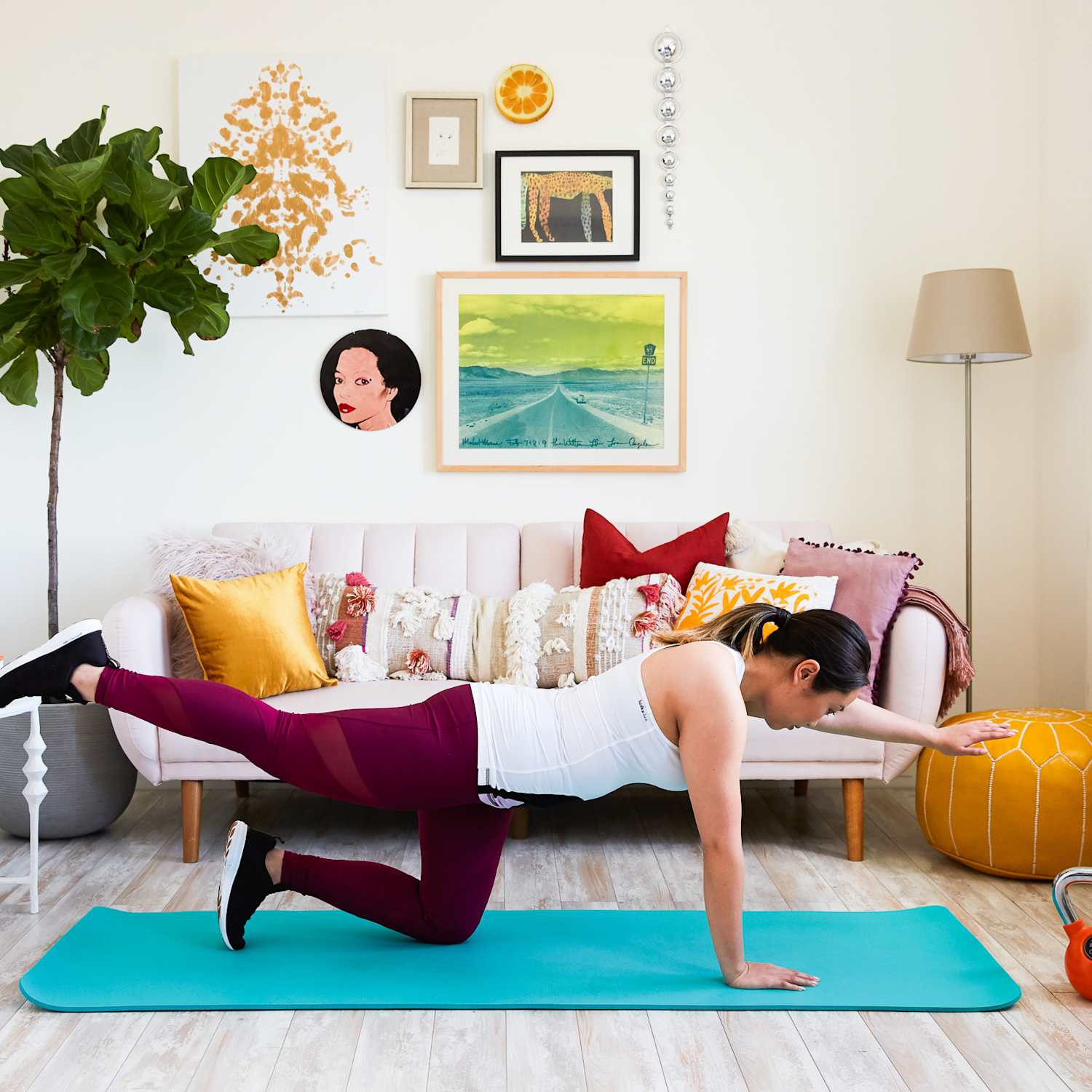
Staying active does not require a gym membership or expensive gear. Home exercise routines without equipment rely on body weight, gravity, and controlled movement to build strength, improve endurance, and support overall fitness. These routines are accessible, flexible, and effective for people at all fitness levels.
Why Equipment-Free Workouts Work
The body itself provides enough resistance to stimulate muscle growth and cardiovascular improvement. When movements are performed with proper form and control, bodyweight training can deliver impressive results.
Key advantages include:
- Convenience and time efficiency
- Reduced risk of injury from heavy loads
- Easy modification for beginners and advanced levels
- Greater focus on functional movement
Consistency matters more than complexity when it comes to fitness progress.
Full-Body Strength Exercises at Home
Bodyweight exercises engage multiple muscle groups at once, making them highly efficient for full-body conditioning.
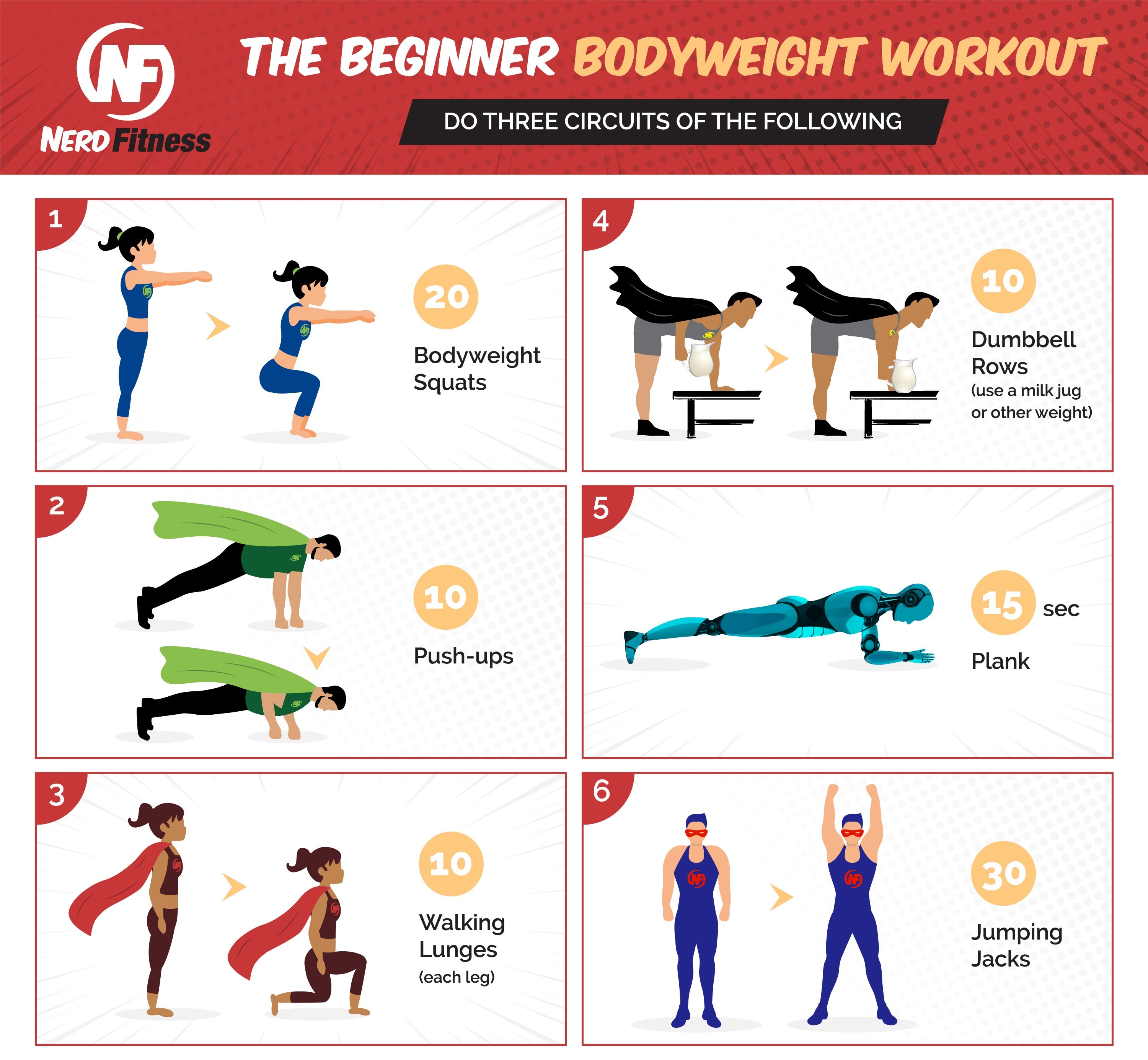
Common strength-focused movements include:
- Squats for legs and glutes
- Push-ups for chest, shoulders, and arms
- Lunges for balance and lower-body strength
- Planks for core stability
Performing these exercises slowly and with control increases muscle engagement without added resistance.
Core Training Without Equipment
Core strength supports posture, balance, and overall movement quality. Home workouts naturally emphasize core activation.
Effective core exercises include:
- Mountain climbers
- Leg raises
- Dead bugs
- Side planks
A strong core enhances performance in all other movements and reduces strain on the lower back.
Cardiovascular Training in Small Spaces
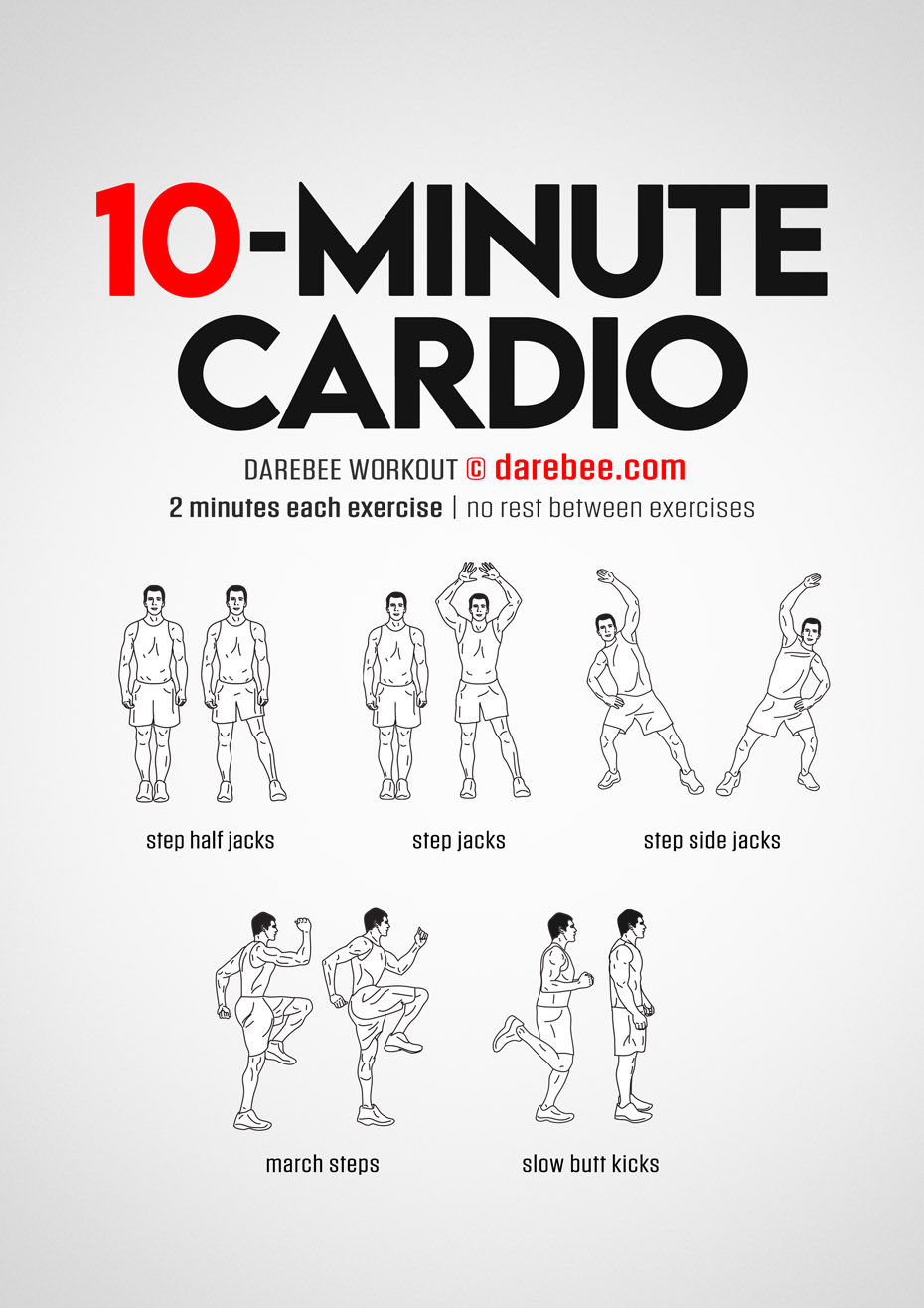
Cardio workouts do not require treadmills or bikes. Bodyweight movements can elevate heart rate quickly, even in limited space.
Examples of equipment-free cardio:
- Jumping jacks
- High knees
- Burpees
- Shadow boxing
Short bursts of these exercises improve heart health and calorie burn while keeping workouts engaging.
Flexibility and Mobility at Home
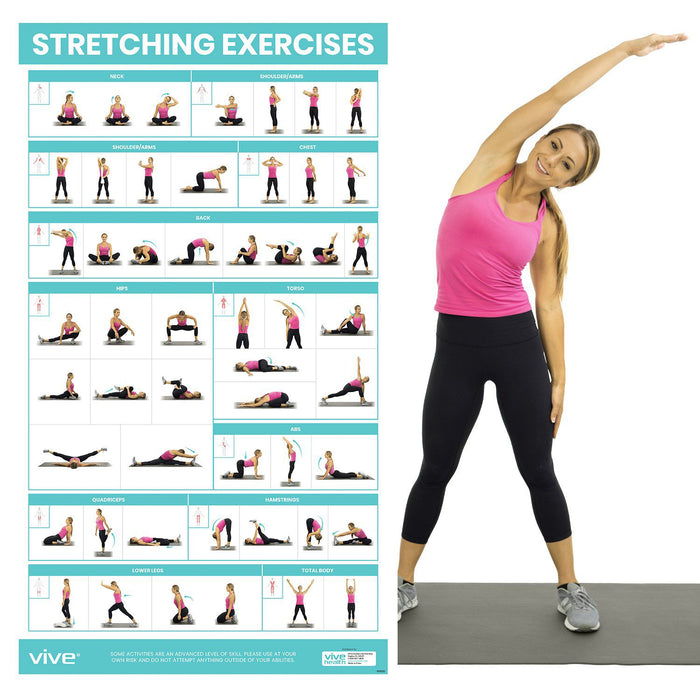
Mobility and flexibility are often overlooked but are essential for long-term fitness and injury prevention.
At-home mobility work can include:
- Dynamic stretching before workouts
- Static stretching after training
- Controlled joint rotations
- Yoga-inspired movement flows
These practices improve range of motion and support smoother, pain-free movement.
Structuring an Effective Home Routine
A balanced routine combines strength, cardio, and mobility. Structure helps maintain consistency and progress.
A simple routine format:
- Warm-up: 5–10 minutes of light movement
- Strength circuit: 15–25 minutes
- Cardio finisher: 5–10 minutes
- Cool-down and stretching: 5 minutes
Adjust duration and intensity based on fitness level and available time.
Staying Consistent Without a Gym
The biggest advantage of home workouts is accessibility. Removing barriers makes consistency easier.
Tips for staying on track:
- Set a regular workout time
- Designate a small workout space
- Track completed sessions
- Focus on progress, not perfection
Consistency transforms simple movements into lasting results.
Frequently Asked Questions (FAQ)
1. Can home workouts without equipment build muscle?
Yes. Bodyweight exercises can build muscle when performed with proper form, sufficient volume, and gradual progression.
2. How long should a home workout be?
Effective workouts can range from 20 to 45 minutes, depending on intensity and goals.
3. Are equipment-free workouts suitable for beginners?
Absolutely. Bodyweight routines are highly adaptable and allow beginners to progress safely at their own pace.
4. How can I make bodyweight workouts more challenging?
You can increase difficulty by slowing tempo, adding pauses, increasing repetitions, or using advanced variations.
5. Can I lose weight with home workouts alone?
Yes. Combined with consistent activity and balanced nutrition, home workouts can support fat loss effectively.
6. How often should I train at home?
Most people benefit from exercising three to five times per week, with light movement on rest days.
7. Do I need to warm up before bodyweight workouts?
Yes. Warming up prepares joints and muscles, improves performance, and reduces injury risk.
Home exercise routines without equipment prove that fitness is more about commitment than location. With consistent effort and smart structure, training at home can be just as effective as any gym-based program.


Comments are closed.