
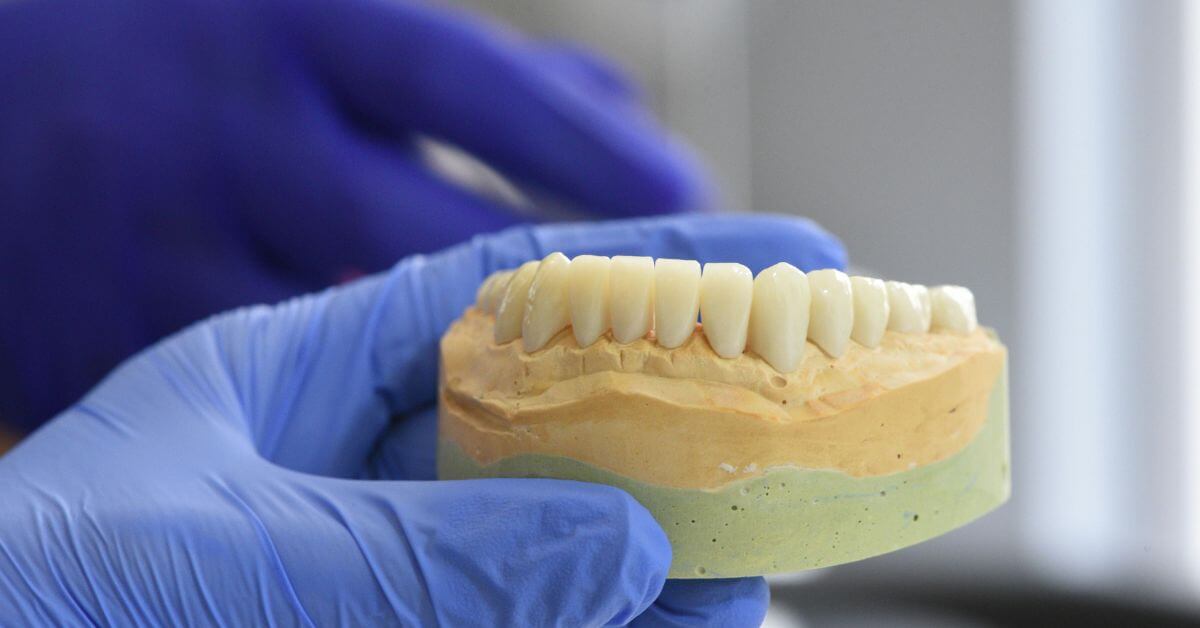
A dental crown is not just a cap placed over a tooth. It is a restoration that has to protect remaining tooth structure, fit the bite, meet the gum line cleanly and suit the rest of the mouth.
Patients often focus on the finished appearance, especially when the crown is visible. The stronger planning conversation also explains why the tooth needs coverage, which material fits the situation and how the crown will be maintained.
A London cosmetic dentist from MaryleboneSmileClinic points out that crown planning should begin with the tooth underneath. The dentist says the amount of remaining tooth, previous fillings, crack risk, gum level, bite contact and shade requirements all affect the recommendation. That gives the patient a clearer reason for treatment and a better understanding of how the crown should be looked after.
This is especially useful when several routes seem possible. A crown should feel like a protective decision, not only a visual finish.
Start With the Tooth Underneath
The health and structure of the tooth needing a crown should be treated as part of the planning conversation. The dentist is not only responding to the visible concern; the dentist is reviewing the health and structure of the tooth needing a crown in relation to oral health, appearance, comfort and maintenance before the route is narrowed.
The recommendation is stronger when it accounts for the fact that the health and structure of the tooth needing a crown changes timing, suitability, material choice or the way review is arranged. That keeps appearance, health and daily use in the same conversation.
The conversation improves when the patient is specific about explaining how the health and structure of the tooth needing a crown affects daily confidence, cleaning or comfort. Small details often change the order more than expected.
The practical next step is a clear decision about the health and structure of the tooth needing a crown before the route is narrowed. For start with the tooth underneath, it should be explained in plain language, including what it confirms and what remains open to review.
A clear limit also matters: the health and structure of the tooth needing a crown should not be ignored just because the visible goal sounds simple. Naming it early helps avoid a plan that looks efficient but leaves uncertainty behind.
The aim of discussing start with the tooth underneath is not to make the route sound complicated. It is to make the decision traceable, so the patient understands why the recommendation exists.
When the patient compares choices, this finding keeps the conversation anchored. It shows why the health and structure of the tooth needing a crown should not be ignored just because the visible goal sounds simple matters even when the visible aim feels straightforward.
This is also where photographs, records or a short written summary help with start with the tooth underneath. They show why a clear decision about the health and structure of the tooth needing a crown before the route is narrowed was chosen and what the patient should watch before review.
That practical frame around start with the tooth underneath also reduces pressure. The patient can weigh the option calmly because the health and structure of the tooth needing a crown should not be ignored just because the visible goal sounds simple has been stated before the decision is made.
Choose Material for the Situation
The crown material and its clinical purpose should be treated as part of the planning conversation. Patients often understand the issue better when the first check is concrete: reviewing the crown material and its clinical purpose in relation to oral health, appearance, comfort and maintenance.
The clinical reason is straightforward: the crown material and its clinical purpose changes timing, suitability, material choice or the way review is arranged. Without that explanation around choose material for the situation, the patient may agree to a visible change without understanding what supports it.
A good patient question is how this issue behaves in real life, because explaining how the crown material and its clinical purpose affects daily confidence, cleaning or comfort can affect timing, comfort and maintenance.
A clear decision about the crown material and its clinical purpose before the route is narrowed gives the patient a concrete way to understand the route before the final choice is treated as complete.
The crown material and its clinical purpose should not be ignored just because the visible goal sounds simple. That sentence should be clear before the patient agrees to timing, materials or a larger stage.
By the end of the discussion about choose material for the situation, the patient should know what has been checked, what the finding changes and how the next review will use that information.
This is useful when two options seem similar. The better route is often the one that explains the crown material and its clinical purpose changes timing, suitability, material choice or the way review is arranged in a way the patient can use after the appointment.
A plan that records this detail is easier to adjust. If comfort, shade, gum response or cleaning changes, the team can return to the reasoning behind a clear decision about the crown material and its clinical purpose before the route is narrowed.
The final test is whether the patient can describe the reason in their own words. If the crown material and its clinical purpose changes timing, suitability, material choice or the way review is arranged is clear, the route feels easier to trust.
Respect the Gum Margin
Gum margin position around the crown should be treated as part of the planning conversation. The appointment becomes practical when the dentist is reviewing gum margin position around the crown in relation to oral health, appearance, comfort and maintenance, because the advice then begins with evidence rather than a treatment label.
Gum margin position around the crown changes timing, suitability, material choice or the way review is arranged. When the patient hears how respect the gum margin fits that connection, the recommendation feels grounded in the mouth rather than selected from a menu of options.
From the patient’s side, the most useful contribution is explaining how gum margin position around the crown affects daily confidence, cleaning or comfort. It turns a technical point into something practical.
In practical terms, this points toward a clear decision about gum margin position around the crown before the route is narrowed. The important part is knowing whether it protects comfort, stability, appearance or maintenance.
The safest version of the plan respects one limit: gum margin position around the crown should not be ignored just because the visible goal sounds simple. The patient can then judge the recommendation with more confidence.
The dentist should be able to return to the finding behind respect the gum margin at review, especially if timing, materials or the patient’s priorities change.
The dentist can then explain alternatives without making one option sound universally superior. The choice depends on how each route responds to gum margin position around the crown changes timing, suitability, material choice or the way review is arranged.
The point about respect the gum margin should not disappear once that stage of care is complete. Future reviews can return to a clear decision about gum margin position around the crown before the route is narrowed and ask whether the original reason still holds.
That practical understanding of respect the gum margin is especially important outside the surgery, when the patient is eating, speaking, cleaning, travelling or deciding whether something feels different.
Match Shade With Context
Shade matching around nearby teeth should be treated as part of the planning conversation. A good plan treats this as a planning clue and begins with reviewing shade matching around nearby teeth in relation to oral health, appearance, comfort and maintenance before any final stage is treated as settled.
The value of the check is that shade matching around nearby teeth changes timing, suitability, material choice or the way review is arranged. It gives the dentist a way to explain why one option fits better than another.
The patient adds useful context by explaining how shade matching around nearby teeth affects daily confidence, cleaning or comfort. Those ordinary details around match shade with context often reveal pressures that are not obvious from a scan, photograph or mirror.
A sensible plan turns the finding into a clear decision about shade matching around nearby teeth before the route is narrowed. The patient should be able to repeat why that stage belongs where it does.
The caution is that shade matching around nearby teeth should not be ignored just because the visible goal sounds simple. That restraint keeps the ambition around shade matching around nearby teeth changes timing, suitability, material choice or the way review is arranged realistic and easier to maintain.
This gives the plan around match shade with context a calmer shape. It can move forward, pause or change direction without losing the thread of the original reasoning.
A comparison should therefore include the practical burden of each route. The patient needs to know how explaining how shade matching around nearby teeth affects daily confidence, cleaning or comfort affects the option once treatment is finished.
The decision becomes more resilient when it is documented. If the timetable shifts, the patient still understands why shade matching around nearby teeth should not be ignored just because the visible goal sounds simple.
The section ends best when the patient has a next action, a review expectation and a realistic sense of how explaining how shade matching around nearby teeth affects daily confidence, cleaning or comfort supports the result.
Check Bite Before Fitting
Bite contact before the final crown is fitted should be treated as part of the planning conversation. This decision needs enough time for reviewing bite contact before the final crown is fitted in relation to oral health, appearance, comfort and maintenance, so the next step is linked to a reason the patient can follow.
That detail deserves attention because bite contact before the final crown is fitted changes timing, suitability, material choice or the way review is arranged. It can decide whether the plan moves directly, pauses, changes sequence or stays deliberately conservative.
The patient should be encouraged to bring everyday details, especially by explaining how bite contact before the final crown is fitted affects daily confidence, cleaning or comfort. That makes the advice easier to remember later.
The useful output from this discussion is a clear decision about bite contact before the final crown is fitted before the route is narrowed. It gives both patient and dentist a shared checkpoint.
The boundary is that bite contact before the final crown is fitted should not be ignored just because the visible goal sounds simple. Stating that limit around check bite before fitting keeps consent grounded and prevents the visible result from being separated from health.
That clarity around check bite before fitting matters later, because small changes in comfort, cleaning or appearance are easier to report when the patient already knows what the plan is watching.
The same reasoning prevents the decision from being reduced to cost or speed. A clear decision about bite contact before the final crown is fitted before the route is narrowed should be judged alongside comfort, cleaning and review.
That makes the patient less dependent on memory when check bite before fitting is reviewed later. A clear explanation of bite contact before the final crown is fitted changes timing, suitability, material choice or the way review is arranged gives the next visit a thread to pick up.
This keeps the plan around check bite before fitting useful after consent. The patient leaves with a specific reason for the stage, not only a general promise of improvement.
Plan Long-Term Review
Review and maintenance after a crown should be treated as part of the planning conversation. A careful discussion starts by reviewing review and maintenance after a crown in relation to oral health, appearance, comfort and maintenance, then connects that finding with comfort, appearance and long-term upkeep.
This matters because review and maintenance after a crown changes timing, suitability, material choice or the way review is arranged. For plan long-term review, it helps separate what is ready from what needs more preparation, monitoring or a more modest route.
The appointment becomes more accurate when the patient is comfortable explaining how review and maintenance after a crown affects daily confidence, cleaning or comfort. That information links the plan to normal routines.
The plan should therefore include a clear decision about review and maintenance after a crown before the route is narrowed. When the reason is clear, the stage feels protective rather than slow.
This is where over-treatment is avoided. The plan should remember that review and maintenance after a crown should not be ignored just because the visible goal sounds simple, even when the patient is keen to move quickly.
Handled well, plan long-term review leaves the patient with practical language: what to clean, what to watch, what to report and why the next step matters.
It also gives the patient a fair comparison point. If another route is discussed later, the question becomes whether it deals with reviewing review and maintenance after a crown in relation to oral health, appearance, comfort and maintenance more clearly or simply sounds more attractive at first.
Continuity around plan long-term review matters because the mouth changes through habits, ageing, repairs and review findings. The notes around reviewing review and maintenance after a crown in relation to oral health, appearance, comfort and maintenance give later appointments a useful baseline.
Good advice should still make sense during an ordinary week. It should tell the patient how a clear decision about review and maintenance after a crown before the route is narrowed connects with the routines they actually follow.


Comments are closed.