
Transforming your smile can feel like giving your confidence a fresh coat of paint. But before you take that exciting step, you probably want clear, simple answers about porcelain veneers costs. How much do they cost? Why do prices vary? And is the investment truly worth it?
This guide breaks it all down in a friendly, conversational way—no confusing dental jargon included.
1. Understanding Porcelain Veneers
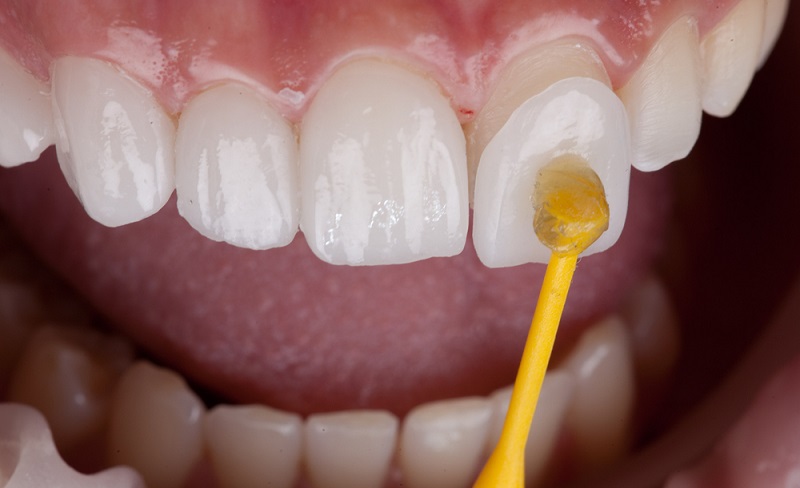
Porcelain veneers are thin, tooth-colored shells designed to cover the front surface of your teeth. They’re often used to fix discoloration, chips, gaps, or uneven shapes. Think of them like a custom-made outfit tailored just for your smile.
2. What Influences Porcelain Veneers Costs
Several factors play a role in determining the final price. It’s similar to buying a car—you can go basic or luxury, depending on your needs.
3. Average Cost Range
On average, porcelain veneers costs can range from $900 to $2,500 per tooth, depending on your location and provider. This might seem like a wide range, but each case is unique.
4. Veneers Per Tooth vs. Full Set
Some people need just one veneer to fix a chipped tooth. Others opt for a full smile makeover with 6–10 veneers. Naturally, a full set costs more upfront, but it delivers a balanced, symmetrical smile.
5. Are Porcelain Veneers Worth the Price?
If you want long-lasting, natural-looking results, porcelain veneers are considered one of the best cosmetic dental solutions. They resist stains, feel like natural teeth, and can last over 10–15 years with good care.
6.The Consultation Process
Your journey starts with a consultation. This may include:
- Exam and X-rays
- Smile analysis
- Discussion of goals
Some dentists charge for consultations, while others offer them for free.
7. How Dentists Determine Your Price
A dentist will evaluate:
- Your current dental health
- How many veneers you need
- The complexity of the procedure
- The expected cosmetic outcome
All these shape the final price.
8. Material Quality and Craftsmanship
Not all veneers are created equal. High-quality porcelain crafted by skilled ceramic artists often costs more—but delivers unmatched beauty and durability. It’s like choosing between mass-produced art and a custom painting.
9. Location and Dentist Expertise
Dentists in major cities tend to charge more due to higher operating costs. Similarly, professionals with years of experience and specialized cosmetic training may have higher fees—but also higher patient satisfaction.
10. Additional Procedures That May Affect Costs
Before veneers can be placed, some patients may need:
- Teeth whitening
- Gum contouring
- Orthodontic adjustments
- Fillings or repairs
These add to your overall cost but ensure better results.
11. Payment Plans & Financing Options
Most dental clinics offer payment plans, credit options, or third-party financing. These help make veneers more budget-friendly by spreading payments over time.
12. How to Choose the Right Dentist
When selecting a dentist:
- Look at before-and-after photos
- Read patient reviews
- Check experience level
- Schedule a consultation to see if you feel comfortable
A good dentist doesn’t just place veneers—they design smiles.
13. Long-Term Maintenance Costs
Although porcelain veneers require minimal maintenance, you may eventually need:
- Replacements
- Polishing
- Regular dental check-ups
These long-term costs are worth considering upfront.
14. How to Save Money Without Sacrificing Quality
You can save money by:
- Visiting dental schools offering reduced-cost services
- Asking about multi-tooth package deals
- Checking for seasonal promotions
- Exploring financing rather than paying upfront
Just remember: never choose price over quality when it comes to your smile.
15. Final Thoughts
Porcelain veneers can truly transform your smile—and your confidence. Understanding porcelain veneers costs helps you make informed decisions and avoid surprises. With the right dentist and proper planning, your dream smile can absolutely become reality.
FAQs
- How long do porcelain veneers typically last?
Most porcelain veneers last 10–15 years, sometimes even longer with excellent care.
- Are porcelain veneers painful?
The procedure is usually painless, thanks to local anesthesia. You may feel mild sensitivity afterward.
- Can veneers stain over time?
Porcelain veneers resist staining better than natural teeth, but good oral hygiene is still important.
- Do veneers require shaving down my natural teeth?
Yes, a small amount of enamel is usually removed to ensure a proper fit, but it’s minimal.
- Are there cheaper alternatives to porcelain veneers?
Yes—composite veneers are more affordable but less durable and less natural-looking.


Comments are closed.